
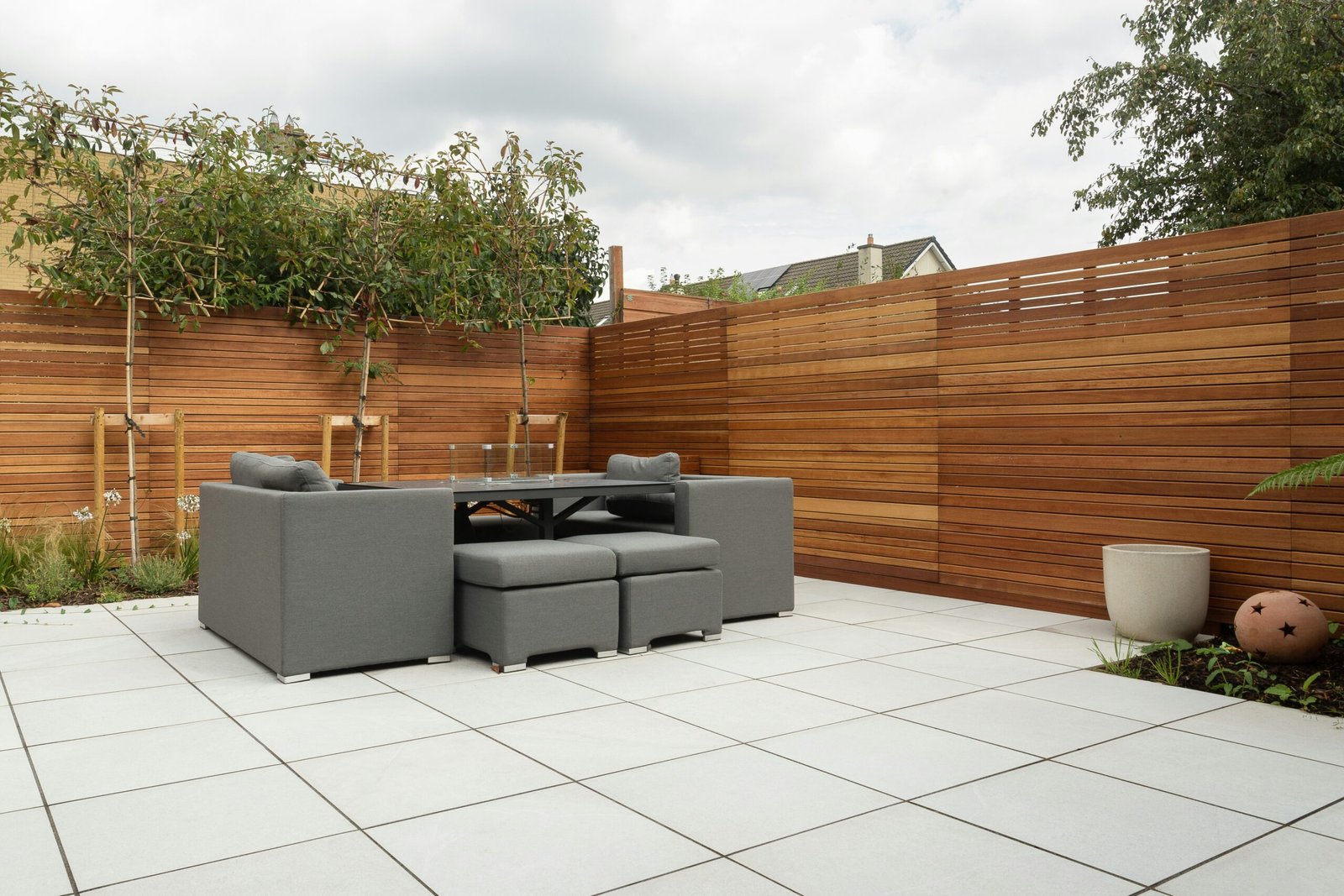
Picture this. It is a warm Saturday, the grill is ready, your kids want to play outside, and you would love to relax on the porch with a cold drink. But the sun is too harsh, the deck boards feel hot, and the bugs start to swarm the second you sit down.
So you do what most people do. You head back inside.
That is where outdoor living comfort comes in. Awnings and porch enclosures turn a hot, buggy, or windy patio into a space you can use much more. They add shade, block light rain, give some privacy, and help you feel like your yard is an extension of your home, not a space you avoid.
In this guide, you will see how awnings and porch enclosures work, how they improve comfort, and which option fits your home and lifestyle. You will also learn about design choices, cost levels, and easy maintenance so your outdoor space stays inviting for years.
Why Comfort Matters for Outdoor Living Spaces
Most people do not avoid their deck or porch because they do not like the way it looks. They avoid it because it feels uncomfortable. If the space is too hot, too bright, too windy, or full of bugs, it simply does not get used.
Comfort is what decides if your porch or patio feels like a favorite hangout or wasted square footage. When your outdoor space feels good, you actually sit outside, eat outside, and talk outside. Kids do homework at the patio table. Friends stay longer. You get more value from the home you already own.
A comfortable outdoor space also helps your home feel bigger, without adding a full new room. From the street, a cozy covered porch or a neat screened enclosure can also make your home look more finished and welcoming. Buyers tend to picture their own life in that space, which supports your home’s appeal when it is time to sell.
Read More: Top-Rated HVAC Replacement for Reliable Climate Control
Common Outdoor Problems: Too Hot, Too Bright, Too Many Bugs
Most backyards and patios share the same comfort problems. You might recognize some of these.
- Strong UV rays: Midday sun can feel harsh on skin. It also raises the surface temperature of decks and paving, which makes them hard to walk on barefoot.
- Glare on screens: Try to read a recipe on your phone or work on a laptop outside at noon. Glare makes screens hard to see, so you give up and go inside.
- Fading furniture: Outdoor cushions, rugs, and even wood surfaces fade and wear faster under direct sun. Colors lose their depth, and fabrics break down sooner.
- Sudden rain: A light shower can end a meal or a game outside in seconds. Everyone scrambles to grab food, devices, and cushions.
- Chilly evenings: In many places, the temperature drops quickly once the sun sets. Without cover, wind can make it feel colder, so people move indoors early.
- Mosquitoes and flies: Nothing ruins a quiet evening outside like constant swatting. Bugs hover around drinks and food and make it hard to relax.
All of these issues push people back inside. You might love the idea of outdoor living, but if every visit to the porch ends with squinting, sweating, or scratching bites, the space becomes decoration instead of a part of daily life. Shade and simple barriers can change that.
How Shade and Shelter Make Your Porch or Patio Feel Like an Extra Room
Add shade or a light enclosure, and the whole feeling of the space shifts.
A simple concrete patio with no cover feels exposed. Once you add an awning or screens, that same spot can become a second living room. You can:
- Read a book without squinting
- Eat dinner outside even if there is a small chance of rain
- Set up a laptop on a shaded table and work in fresh air
- Let kids do homework or art projects outside without worrying about sunburn
Unlike being inside, you still get natural light and fresh air. Birds, trees, and garden views stay in sight. But you gain control over sun, wind, and bugs. Instead of being ruled by the weather, you adjust the space to fit the day.
Comfort Also Adds Value: More Use, Higher Curb Appeal
Comfort has a ripple effect. When your outdoor space is more pleasant, you:
- Use it during more hours of the day, not just early morning or late evening
- Use it in more seasons, such as spring and fall, not just peak summer
- Host more friends and family outside, which keeps your indoor rooms cleaner
From a home value perspective, a well designed porch cover or enclosure makes your place look more finished from the street. It gives the sense that the outdoor space is part of the living area, not an afterthought. Buyers often see that and think, “We could eat breakfast out there,” or “That would be a great play space.”
Comfort is not just a nice extra. It is what makes an outdoor area feel worth having.
Awnings vs Porch Enclosures: Which Outdoor Comfort Solution Is Right for You?
When you want more comfort outside, you will usually look at two main options: awnings or porch enclosures. Both improve how your space feels, but they do it in different ways.
Think of an awning as a shade umbrella that is attached to your house or to a frame. A porch enclosure is more like a light outdoor room built around your existing porch or patio.
Your climate, how you use your space, and your budget all affect which is the better fit.
What Is an Awning and How Does It Improve Outdoor Living?
An awning is a roof-like cover made from fabric or metal that hangs over a patio, deck, window, or door. It can attach to the side of your house or stand on its own with posts and a frame.
There are a few main types:
- Fixed awnings: These stay in place all year. They have a frame and cover that do not move.
- Retractable awnings: These can open and close. You can roll them out for shade, then roll them back in when you do not need cover. Some use a crank, others use a motor and remote.
- Freestanding awnings: These sit on posts or a frame away from the house. They work well over a pool area, a garden seating spot, or a detached patio.
Awnings help by:
- Blocking direct sun and cutting heat on the patio surface
- Reducing glare on windows and devices
- Protecting your outdoor furniture from fading
- Allowing you to stay outside during light rain
The feel of the space changes fast. A patio that used to feel hot and exposed turns into a shaded, cooler hangout. You still get breezes from all sides, which is great in hotter climates.
Read More: PLG Supplies: Tools to Empower Your Business
What Is a Porch Enclosure and Why Do Homeowners Love It?
A porch enclosure surrounds a porch or patio with screens, panels, or windows. It creates a more defined outdoor room that is still open to the yard.
Common types include:
- Screen rooms: These use mesh screens on all open sides. They keep out mosquitoes and flies but let in air, light, and sounds from outside.
- Three season rooms: These use glass, acrylic, or clear vinyl panels that can slide or open. They block wind and rain more than screens do, which makes the space useful for more months.
- Vinyl or flexible panel enclosures: These use clear roll up or slide in panels that you can open during good weather and close when it is windy or rainy.
People love porch enclosures because they:
- Keep bugs out while still feeling outdoors
- Reduce wind, which makes evenings more comfortable
- Protect furniture and rugs from rain and pollen
- Provide a safer play area for kids and pets
A good enclosure lets you sit outside on days when you would usually stay in. You can listen to the rain, feel the light breeze, and still read, eat, or relax without worrying about mosquitoes or cold gusts.
Key Differences: Shade Only or Full Outdoor Room?
Awnings and porch enclosures solve different levels of comfort problems.
- If you mostly want shade, cooler temperatures, and a little rain protection, an awning is often enough.
- If you want a room feel outside, with bug control and wind protection, a porch enclosure is the better fit.
Here is how they compare in simple terms:
- Bugs: Awnings do not block bugs. Enclosures with screens stop most insects from entering the space.
- Privacy: Awnings give some privacy from above, especially with side shades. Enclosures can add privacy with tinted glass, curtains, or screen types that are harder to see through.
- Temperature: Awnings cool by shade and airflow. Enclosures can feel warmer on cool days because they block wind and hold some heat.
- Weather: Awnings handle sun and light rain. Enclosures protect better from wind, steady rain, and even light cold.
Your choice comes down to how you want the space to feel. Open and breezy with shade, or more like a covered outdoor room that works in more conditions.
Climate, Lifestyle, and Budget: How to Choose the Best Option
For very hot, sunny areas with long summers, an awning often gives the biggest comfort boost for the least cost. Shade is the main need, and airflow matters. A retractable awning lets you adjust shade as the sun moves.
For wooded or humid areas with lots of mosquitoes or gnats, a screened enclosure brings more relief. You might choose a basic screen room if your winters are mild, or a three season room if you want more weather control.
On budget, awnings are usually more entry level to mid range. Most do not need foundation work. Porch enclosures are more of a larger investment, especially if you add glass panels, new flooring, or electrical work for lights and fans.
Think about how often you want to be outside. If you only use the patio for a few summer cookouts, a simple awning might be plenty. If you dream of morning coffee outside nine months of the year, an enclosure can be worth the higher cost.
Design Ideas: Styles, Materials, and Features for Comfortable Awnings and Enclosures
Once you decide on shade or enclosure, the fun part starts. You can choose styles, colors, and features that fit your house and make the space more comfortable.
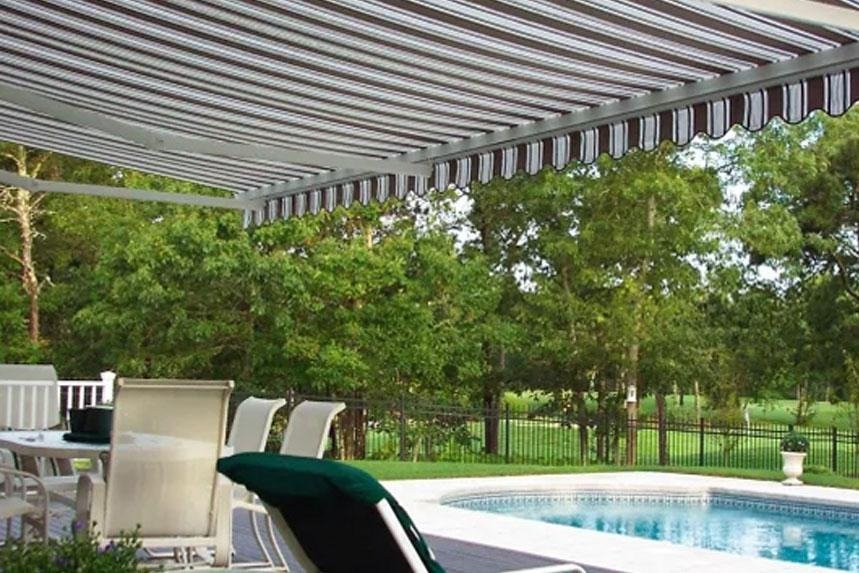
Choosing Awning Styles, Colors, and Fabrics for Shade and Cooling
Awning fabrics and colors affect how cool and bright your space feels.
- Lighter colors (like beige, light gray, or soft blue) reflect more sunlight. They tend to keep the shaded area cooler and feel brighter.
- Darker colors (like navy, forest green, or charcoal) absorb more heat. They can feel warmer but create a cozy, sheltered vibe that some people prefer.
For fabric, look for:
- Water resistant or waterproof material if you want to sit under it during light rain
- UV resistant fabric to help protect your skin and your furniture
- Mildew resistant options if you live in a humid area or near water
When it comes to structure:
- Fixed awnings make sense if you want constant shade and simple use. They are always ready.
- Retractable awnings give more control. You can roll them up on stormy days or in winter to protect the fabric and let more sun reach your windows.
The frame can be metal or sometimes wood. Pick a style and color that matches your trim or deck railing so the awning looks like part of the house, not an afterthought.
Screened Porch Enclosures: Enjoy Fresh Air Without Bugs
A screened porch gives you the “windows open” feeling without actually opening your house. You get fresh air and outdoor sounds, but bugs stay on the other side of the screen.
Comfort benefits include:
- No mosquitoes or flies buzzing around food or drinks
- Safer space for small kids and pets, since screens create a soft barrier
- Slight shade and reduced glare, especially if you choose darker screen mesh
There are a few screen options:
- Standard insect screens: Good all purpose mesh that stops most bugs and keeps views clear.
- Solar or sun control screens: Denser mesh that blocks more sun and heat, which can keep the space cooler on hot days.
Frame materials matter too:
- Aluminum frames are low maintenance and resist rot and rust. They work well for a clean, modern look.
- Wood frames add warmth and charm. They may need more care, such as painting or staining, to stay in good shape.
When you sit in a screened porch, you feel outdoors but calmer. Wind is softer, noise from the street is reduced, and you can sit longer without swatting.
Three Season Porch Enclosures: Glass and Vinyl for More Weather Protection
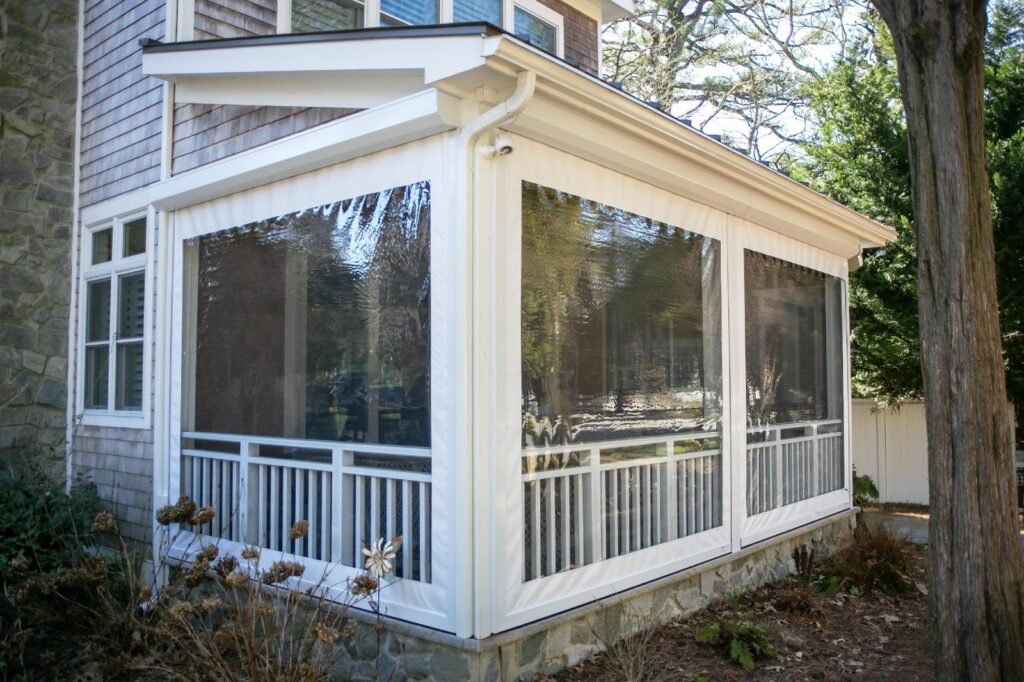
Three season rooms use panels of glass, acrylic, or clear vinyl to create a space you can enjoy in more types of weather. Many have sliding windows or panels you can open on nice days and close when it is cool or windy.
Comfort gains include:
- Use of the space in early spring and late fall when an open porch feels too cold
- Better protection from steady rain and strong wind
- Cleaner space, since pollen, dust, and leaves stay outside the panels
These rooms usually do not have full heating and cooling like the inside of your house, although some people add space heaters or small fans. The idea is to stretch the months you can sit outside without building a full room addition.
On a gray, drizzly day, a three season room can feel like a sunroom. You can read, drink tea, or watch kids play in the yard while staying dry and comfortable.
Privacy, Shade, and Add-Ons: Make Your Space Fit Your Life
Small upgrades can turn a basic awning or enclosure into a personal retreat.
Some popular add-ons include:
- Outdoor curtains: Slide them closed for privacy or more shade, open them for light and views.
- Privacy screens: Lattice panels, tall plants, or decorative screens block views from neighbors.
- Tinted or frosted glass: Adds privacy and reduces glare without making the space dark.
- Built in shades: Roll down shades or blinds inside an enclosure help control sun at certain times of day.
- Ceiling fans: Keep air moving, which feels cooler on hot days and helps chase away insects.
- Simple outdoor heaters: Electric or propane heaters extend how late into fall and early into spring you can sit outside.
- Soft lighting: String lights, lanterns, or dimmable LED fixtures create a warm, relaxing mood in the evening.
Together, these touches help the space match your daily life. If you like to read at night, focus on lighting and a fan. If you host dinners, plan a good table layout and easy traffic flow from the kitchen.
Installation, Costs, and Simple Maintenance Tips
A comfortable outdoor space does not have to be complex, but it does need solid planning. Knowing what to expect with installation, cost levels, and care helps you make a smart choice.
DIY or Professional Help: What Makes Sense for Your Project?
Some projects are realistic for handy homeowners. Others are safer in the hands of a pro.
Good DIY candidates:
- Smaller, manual awnings that mount over a door or modest patio
- Basic freestanding awnings that come as kits with clear instructions
- Simple screen kits for an existing covered porch, as long as the structure is sound
Projects that usually call for a professional:
- Motorized retractable awnings, especially those tied to power, switches, or wind sensors
- Large awnings that need secure mounting into brick, stucco, or complex siding
- Screen rooms or three season enclosures that require new framing, beams, or roof changes
- Any project that alters the structure, such as moving columns or attaching to existing roof lines
Safety comes first. Proper mounting is critical so an awning does not pull away in a strong wind. Enclosures must handle rain, snow load in some areas, and wind. It is smart to check local building codes and get at least one opinion from a local pro before starting a major project.
Understanding Costs Without Getting Overwhelmed
Costs vary based on size, materials, and labor, but you can think in general levels.
- Entry level: Small manual awnings, basic prefabricated awnings, or simple screen kits. Good for testing the idea of more shade or bug control without a big spend.
- Mid range: Larger fixed or retractable awnings with quality fabrics and frames, custom screens on a covered porch, or modest framed screen rooms.
- Higher end: Motorized awnings with sensors, large custom structures, full three season rooms with glass panels, upgraded flooring, and integrated lighting or fans.
Key cost factors:
- Size of the area you want to cover
- Type of material (fabric vs aluminum vs glass)
- Manual vs motorized awnings
- Screen only vs glass or vinyl panels
- Complexity of installation and local labor rates
You can manage costs by:
- Covering a smaller area now and planning to expand later
- Choosing manual awnings instead of motorized at first
- Updating an existing porch with screens or panels instead of building a new structure
- Picking standard colors or fabric lines that are easier to source
Think about long term use, not just the first quote. A slightly higher up front cost can be worth it if it turns a dead space into your favorite spot in the house.
Basic Care: Keeping Awnings and Enclosures Clean and Comfortable
A little maintenance keeps your awning or enclosure looking good and working well.
Simple care tips:
- Seasonal cleaning: Brush off leaves, pollen, and cobwebs. Rinse awning fabric with a garden hose and mild soap if it looks dirty.
- Check hardware: Look at brackets, screws, and bolts. Tighten any that feel loose. Catching small issues early helps prevent bigger problems.
- Care for moving parts: For retractable awnings, follow the maker’s guidance on oiling moving joints. Open and close the awning now and then to keep it working smoothly.
- Inspect screens and panels: Look for tears, loose areas, or cracked panels. Small repairs done early are often simple and cheap.
- Manage plants and trees: Trim branches away from awnings and enclosures so they do not rub or drop heavy debris onto the structure.
Regular care protects your investment and keeps the space inviting. A clean, solid awning or enclosure feels safe and comfortable and lasts longer.
Conclusion: Take the First Step Toward a Cozier Outdoor Space
A comfortable outdoor space does not happen by accident. It happens when you take control of sun, weather, and bugs so your porch, deck, or patio feels like a place you want to be, not a place you walk past.
Awnings give you shade, cooling, and light rain protection. Porch enclosures give you a more room like feel, with bug control and better use in spring and fall. Both options work in many budgets and climates if you match the design to how you actually live.
Take a look at your own yard. Do you need simple shade, or would a screened or glass enclosure help you use the space more months of the year? Measure the area, make a quick sketch, and talk with a local pro or visit a showroom for ideas.
One small upgrade, like a new awning or a basic screen room, can turn your porch into the relaxed retreat you have always pictured right outside your back door.